
How fast can you deliver during an emergency?
Emergencies do not wait for a normal delivery window, and neither do we. Diamond Bar Porta Pros keeps emergency porta potty rental capacity ready for red-tag situations across Diamond Bar, whether that is a burst sewer line at a apartment complex or a wider event tied to disaster relief sanitation needs after a regional incident. We pull from the same fleet used for construction site services, so units already meeting job-site standards can be redirected to shelters, staging areas, or a block that lost water pressure overnight.
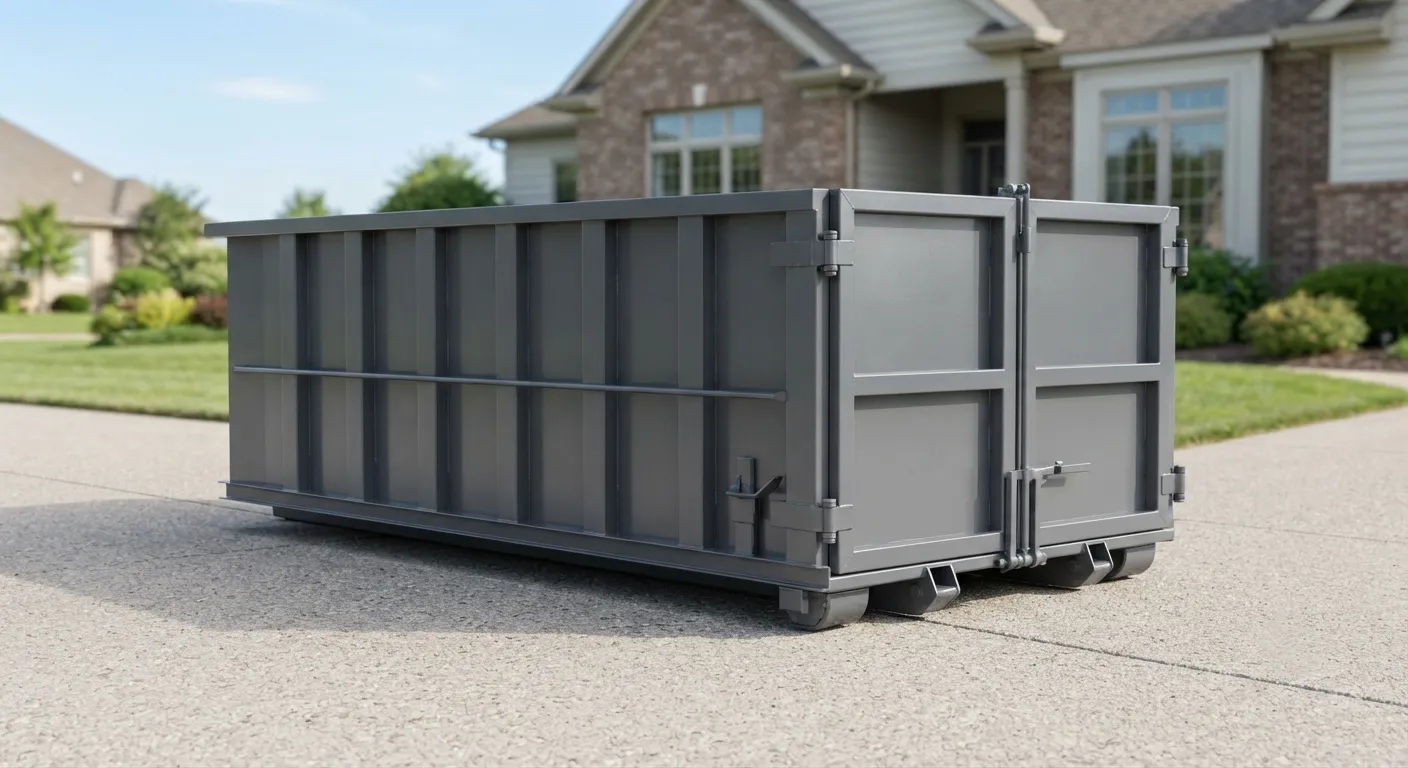
Every delivery still needs about 60 feet of straight clearance behind the truck, the same clearance a roll-off dumpster rental needs, because our trucks are built the same way regardless of the job. If a site is tight or blocked by debris, tell us before the truck rolls, and we will plan around it. For households without running water, a portable sink rental or handwashing station rental can go out alongside the toilets, since 29 CFR 1910.141(d)(2) requires soap and towels or a hand-drying device at any washing station, not sanitizer alone. We also stock holding tank rental units for properties where the septic line itself failed, buying time until a proper septic pumping service visit can happen.
What do I need for a shelter or staging site?
Start with headcount, then work backward. OSHA 1926.51(c) sets construction-site toilet ratios at one facility per 20 workers, and while a disaster shelter is not a job site, we use that same ratio as a starting baseline when nobody has a better number. Our how many porta potties do I need guide walks through the math for larger populations, and our porta potty placement guide covers ground stability, since ADA Standards 302.1 requires the surface under an accessible unit to be stable, firm, and slip resistant, which matters on flooded or muddy ground.
Any cluster of single-user units also needs an accessible one. ADA Standards 213.2 requires at least 5 percent of clustered portable units to be accessible, never fewer than one, so a shelter running a dozen standard porta potty rental units needs at least one ADA accessible porta potty on the pad. That unit needs a 60 inch turning circle per ADA Standards 304.3.1 and a door opening at least 32 inches per ADA Standards 404.2.3, so leave real space around it, not just a gap between other units.
Route planning also needs a clear path. ADA Standards 403.5.1 sets a 36 inch minimum clear width for the accessible route to the unit, which matters when debris, sandbags, or parked equipment narrow a shelter lot. If the response includes a larger footprint, a temporary fence rental can secure the perimeter, and a light tower rental or temporary power pole keeps the area usable after dark, since generators and grid power are often the first things to fail.
Can you handle a multi-week deployment?
Yes, and pricing shifts once a deployment runs past a few days. Short jobs run daily, but longer relief operations move to weekly or monthly rates, and those numbers only go up with duration, never down.
| duration | standard unit | ADA unit |
|---|---|---|
| day | $100 to $350 | $200 to $400 |
| week | $130 to $500 | $120 to $240 |
| month | $125 to $325 | not typically monthly |
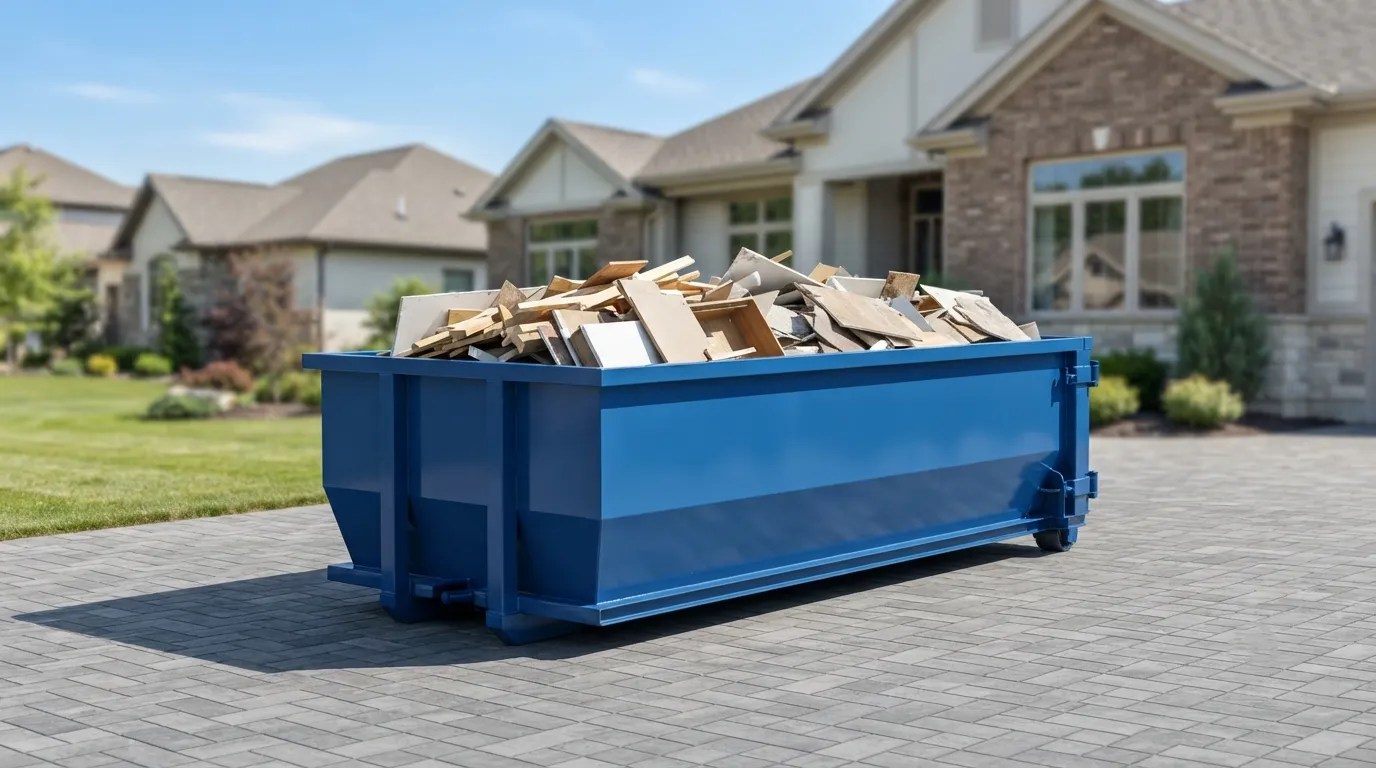
For a deployment stretching past a month, our monthly porta potty rental page breaks down what changes at that length, and porta potty rental cost covers what drives the range within each band. If the relief site also needs debris removal, a 10 yard dumpster rental or 20 yard dumpster rental can sit next to the restroom bank, and dumpster weight limits explains what happens when storm debris runs heavier than typical household trash. Longer stays with a large workforce or displaced families often do better with a restroom trailer rental, particularly a 4 stall restroom trailer, which holds up better under continuous heavy use than a bank of standard units. Brea sits about 8.2 miles southwest of Diamond Bar, and we run the same fleet and response times between both, so a deployment that spans both cities does not mean a second setup fee or a second delivery truck.
Frequently asked questions
How often do units get serviced during a disaster response?
ANSI/PSAI Z4.3 sets a baseline of one service visit per week for up to 10 users over a standard week, but disaster deployments with higher use get serviced more often. Tell us the population and we adjust the route, not the users.
Do you provide handwashing stations without a toilet order?
Yes. A hand sanitizer station rental or portable sink can go out on its own. 29 CFR 1910.141(d)(2) requires soap and towels at any washing station, so sanitizer-only setups get paired with a sink when the order needs to meet that standard.
What if the site has no clear access for a truck?
Tell us before delivery. Our trucks need roughly 60 feet of straight clearance behind them, same as a dumpster delivery, so blocked streets or debris piles need a workaround planned in advance, not discovered on arrival.
Can you deliver to a shelter that is not a construction site?
Yes. Shelters, church halls, and community centers all qualify. We treat OSHA 1926.51(c) ratios as a planning baseline even though that standard technically governs construction sites, because it is the most reliable ratio available.
Do you serve areas outside Diamond Bar during regional disasters?
Yes. We already run routes to nearby cities like Brea, about 8.2 miles southwest, and our service areas page lists coverage, so a regional event does not limit response to one city alone.
Next step
Get a delivery date
Tell us the address, the dates and the headcount. We size the order and confirm the route.