
Do You Need a Permit for a Dumpster or Porta Potty in Diamond Bar?
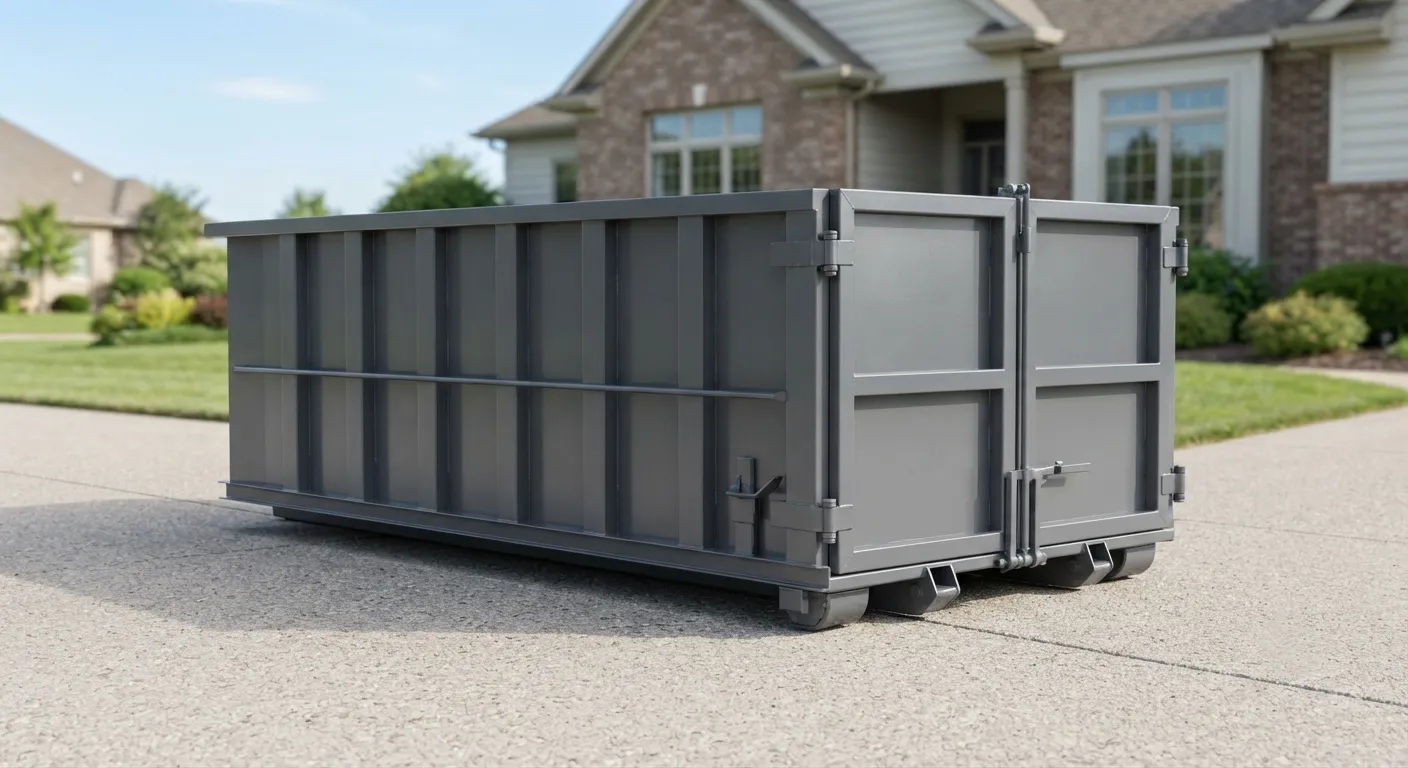
It depends entirely on where the unit sits. A standard porta potty rental placed on a driveway, a job site pad, or anywhere fully inside your property line typically does not need city sign-off. The same goes for a roll-off dumpster rental staged on private pavement. The trouble starts at the curb. Placement in the public right of way, meaning the street, the sidewalk strip, or the parking lane, is NOT VERIFIED as permit-free and needs confirming with the city before delivery. This is the same issue a Jersey City dumpster permit or a Delaware porta potty rental would raise: every city treats the right of way differently, and Diamond Bar is no exception. If you are renting for a home project, our home renovation porta potty guide walks through driveway placement. For active construction, see construction site services and check dumpster permit requirements before you schedule delivery, especially if the container has to sit at the curb overnight.
What Are the Placement Rules for a Porta Potty on a Job Site?
Job site placement rules come from OSHA, not just the city. OSHA 1926.51(c)(1) sets the ratio: one toilet for 20 workers or fewer, then one toilet seat and one urinal per 40 workers once you pass 20, scaling to one per 50 workers at 200 or more. That is the floor for any active construction crew, and it is worth reviewing in full on our OSHA portable toilet requirements page before you order units for a Diamond Bar site. Beyond headcount, physical placement matters. ANSI/PSAI Z4.3 sets the baseline service interval at once a week for up to 10 users over a 40 hour week, which affects how many units you need if the site runs long hours. If your crew works with paints, coatings, herbicides or insecticides, OSHA 1926.51(f)(1) requires washing facilities beyond the toilet itself, which is where a handwashing station rental earns its spot on the order. Our porta potty placement guide covers clearance, ground stability, and service truck access in more detail.
Does an Accessible Unit Need Special Permit Handling?
No separate permit exists just for accessible units, but the placement rules are stricter. ADA Standards section 213.2 requires that where single-user portable toilets are clustered, at least 5 percent of the units, and never fewer than one, must be ADA accessible. That accessible unit needs a 60 inch turning circle under section 304.3.1, a 36 inch clear route per section 403.5.1, and a door opening of at least 32 inches under section 404.2.3. Ground surface matters too. Section 302.1 requires the surface be stable, firm and slip resistant, which rules out loose gravel or soft turf as a base. Our ADA accessible porta potty page has the full spec sheet. If you are staging for an event with several units, review ADA restroom requirements early, since retrofitting placement after the layout is set costs more time than planning it in from the start. Any event drawing a crowd in Diamond Bar, from a wedding to a festival, should treat this as a checklist item, not an afterthought. See wedding restroom rental or festival restroom rental for layout examples.
Where Do Roll-Off Dumpsters and Temporary Power Poles Fit Into This?
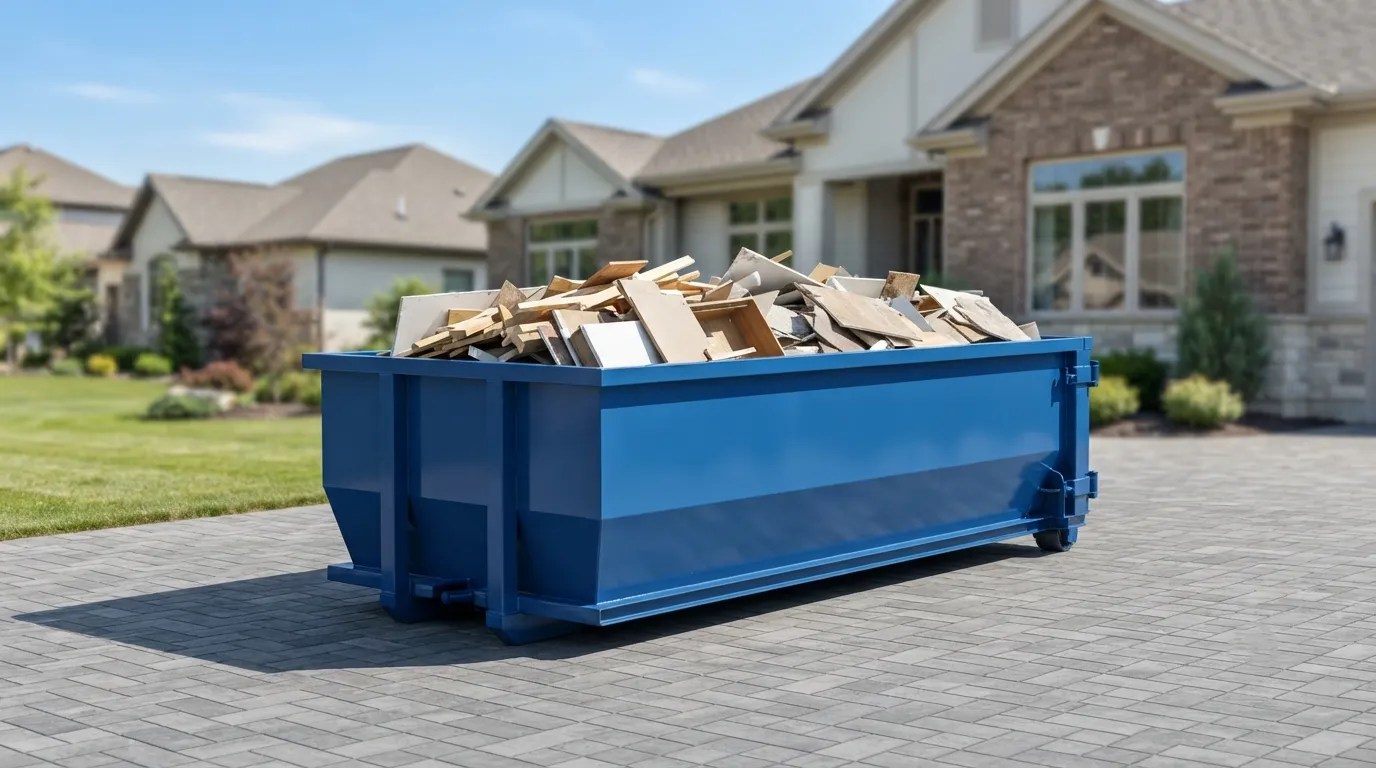
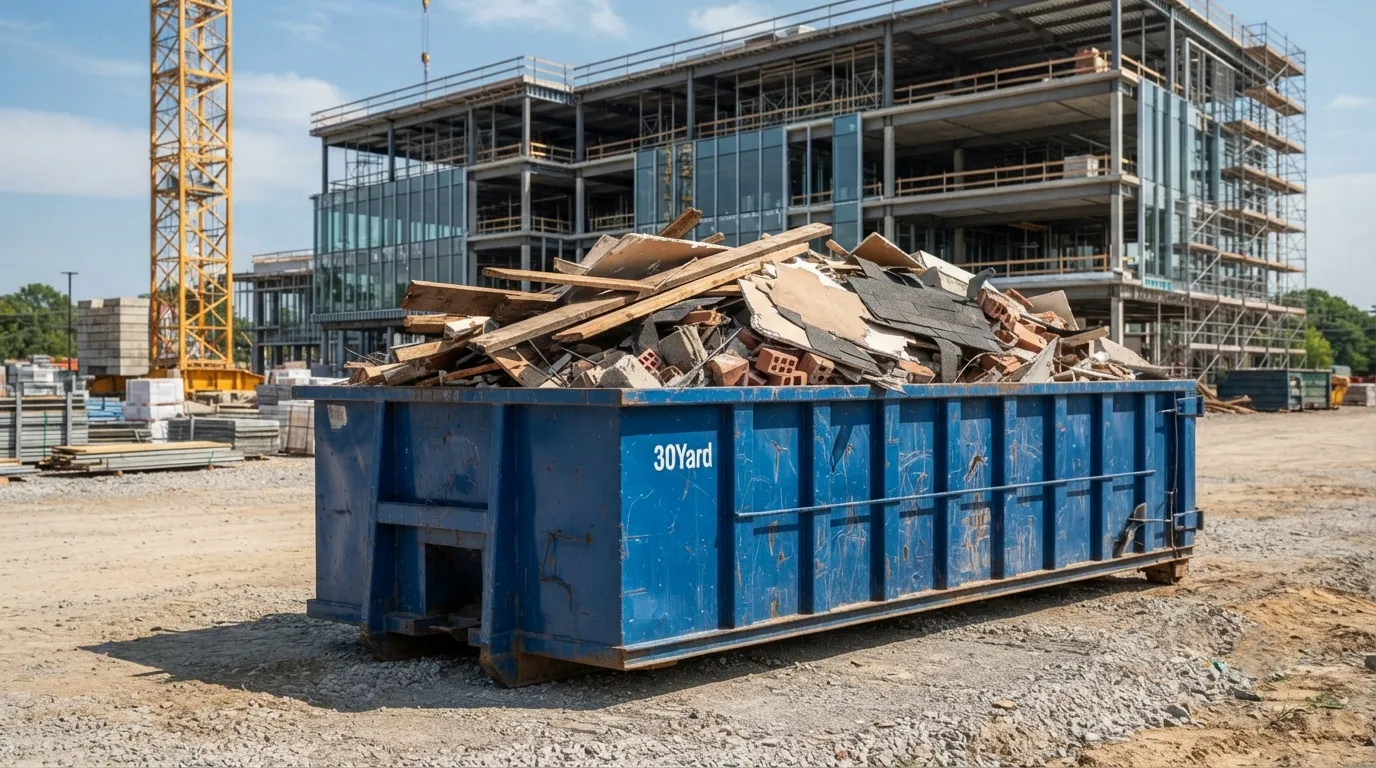
Dumpsters and power poles both have their own placement math. A roll-off delivery needs about 60 feet of straight clearance behind the truck, which usually rules out tight driveways and pushes the container toward the street. That is exactly where the permit question resurfaces: a dumpster sitting even partly on the street or sidewalk needs city confirmation, the same way a permit for a dumpster on street placement would in any city. Our dumpster permit requirements page breaks down the private-property-versus-street distinction further, and what cannot go in a dumpster covers load restrictions that matter regardless of where the container sits. A temporary power pole raises a different flag entirely, since it ties into electrical inspection, not just placement, and OSHA 1926.404(b)(1)(ii) requires GFCI protection on any construction site running temporary power. If your project also needs a temporary fence rental around the dumpster or work zone, plan that layout at the same time you plan the dumpster's footprint, since fence lines and truck clearance can conflict on a small lot.
Frequently asked questions
How many porta potties does a small job site actually need?
Under OSHA 1926.51(c)(1), a crew of 20 or fewer needs just one toilet. Past 20 workers, add a toilet and a urinal per 40 employees. Our how many porta potties do I need guide runs the math for larger Diamond Bar crews.
Can I place a porta potty on the street in Diamond Bar?
Right of way placement is NOT VERIFIED as automatically allowed and needs direct confirmation with the city. Keep the unit on private property, like a driveway or job pad, to avoid the question entirely, and check our porta potty permit requirements notes above.
Do event rentals need a different permit than construction rentals?
The permit question is about placement, not event type. A concert restroom rental or a county fair restrooms setup on private venue grounds follows the same private-property logic as a job site.
Does a grease trap pumping job need any placement permit?
No, grease trap service happens on private plumbing, not the right of way. A trap gets pumped once fats, oils, grease and solids reach 25 percent of liquid depth. See grease trap pumping for scheduling.
What if my project needs both a dumpster and a storage container?
Plan both footprints together. A storage container rental and a dumpster both need flat, accessible ground, and stacking their clearance needs on a tight Diamond Bar lot is easier before delivery than after.
Next step
Get a delivery date
Tell us the address, the dates and the headcount. We size the order and confirm the route.